Showing posts with label oxygen. Show all posts

Friday, January 20, 2017

Gas packaging

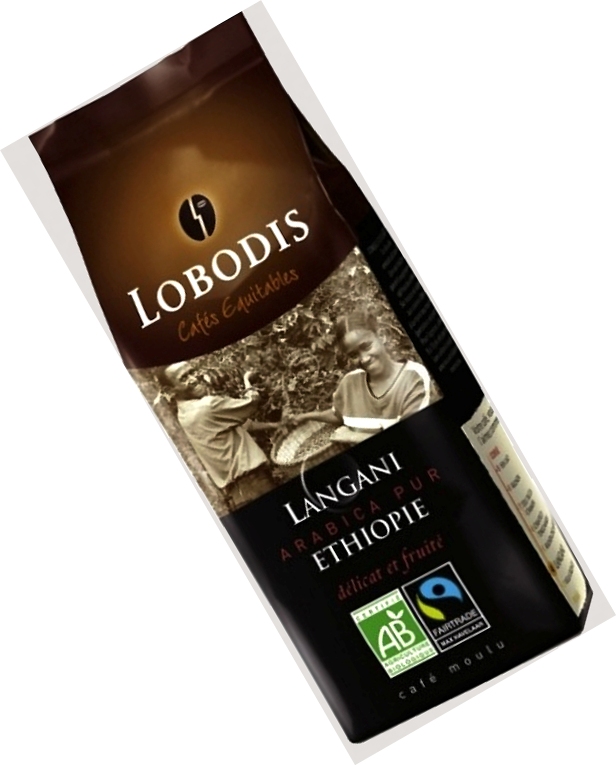
Packaging foods in atmospheres containing an inert gas and carbon dioxide inhibits both oxidative reactions and microbial spoilage. The use of a inert gas for coffee packaging for example increases shelf life three-fold with respect to vacuum packaging.

Oxidation of foods is largely chemical process driven by oxygen, which can be blocked by the displacement of oxygen by nitrogen.

The gas packaging technique involves packaging of product in an impermeable film with the appropriate gases and heat sealing of packages.

The gases commonly used for gas packaging of bakery products are N2 and CO2, These are neither toxic or dangerous nor are they regarded as food additives.
Other gases which have antimicrobial properties include carbon monoxide, sulphur dioxide ethylene oxide, ozone, nitrous and nitric oxide.

In inert gas packaging the air inside the container is replaced by inert gas either through the compensated vacuum technique or by flushing the inside of the package with inert gas.

In the former case, first a vacuum is created in the package, then enough inert gas to balance the internal and external pressure is admitted. In the latter case, a drop of liquefied inert gas is placed in the bottom of the package, which evaporates pushing the air out.

MAP gases can be delivered either as pre-mixtures in cylinders or as bulk gases to be mixed on site. Bulk gases may be delivered as compressed gases in cylinders or as cryogenic liquids.
Gas packaging

Saturday, December 10, 2016

Vacuum packaging

The simplest and most common means of modifying the internal gaseous atmosphere in a pack is by vacuum packaging. The product is placed in a pack made from film of low oxygen permeability, air is evacuated and the package sealed.

It needs a multilayer film composed of high-barrier and heat-sealable layers with low cost. Most multilayer films are generally processed by lamination or coextrusion. The material used as high-barriers layers are polyamide (PA) or nylon, polyethylene terephthalate (PET), polyvinylidene chloride (OVDC) or ethylene vinyl alcohol (EVOH).

Vacuum packaging of respiring foods or foods containing viable microorganisms such as flesh foods is clearly a form of MAP, because after initial modification of the atmosphere by removal of most of the air, biological action continues to alter or modify the atmosphere inside the package.

In vacuum packaging, elevated level of CO2 can be produced by microorganism or by respiring fruits and vegetables.

Under good vacuum conditions the oxygen level is reduced to less than 1%. The barrier properties of the film used restricts entry of oxygen from outside.

In the case of vacuum-packed meat, respiration of the meat quickly consumes the residual oxygen replacing it with carbon dioxide, which eventually increases to 10-20% within the package.

Trend of vacuum packaging technology in frozen food is sought to minimize deterioration changes including microbiological and chemical changes and it is widely used in many kinds of food, particularly in ready meal.
Vacuum packaging

The most popular articles

FoodManufacture RSS

Shortnotes of History RSS